Guides
Generative Art NFTs: All You Need To Know
 Cecil Felix3 min read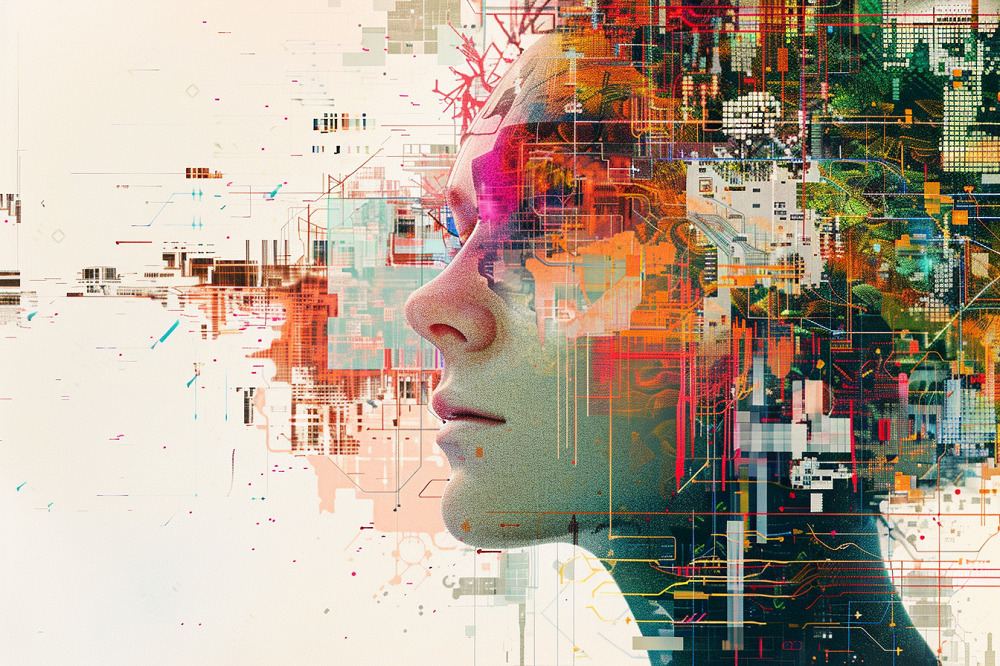
Generative Art NFTs, a bridge between traditional art and blockchains, have recently gained wide acceptance. These unique digital artworks, minted as non-fungible tokens (NFTs) on the blockchain, represent a shift in how art is created, owned, and traded.
Leveraging algorithms and creative coding, artists are pushing the boundaries of traditional art forms, producing dynamic and one-of-a-kind pieces that captivate collectors worldwide. This comprehensive guide article delves into generative art NFTs, exploring their origins, how they work, their benefits, and their associated challenges.
How Generative Arts Works
Generative art operates through a blend of creativity and algorithms. Artists write code that defines rules and parameters guiding the creation of visual elements like shapes, colors, and patterns. These algorithms then autonomously generate unique artworks, often incorporating randomness and interactivity.
The result is a dynamic, ever-evolving art form that challenges traditional notions of creativity and authorship. The process typically involves writing the code that dictates how the artwork is generated using programming languages like p5.js, Processing, or Python.
Artists may also leverage creative coding tools like openFrameworks or NodeBox to add complexity and interactivity to their creations. Once the code is executed, the artwork generated is a one-of-a-kind piece that can vary with each iteration.
Generative art embraces the concept of emergence, where complex patterns and behaviors emerge from simple rules and interactions. It allows for endless variations that make each artwork genuinely unique.
Additionally, generative art often explores the relationship between order and chaos, as artists balance control over the algorithms with the unpredictability of random elements. Generative art offers a fascinating exploration of the intersection between art and technology, inviting viewers to experience creativity dynamically and interactively.
Market Dynamics And Platform Landscape
Marketplaces like Rarible, OpenSea, SuperRare, and Nifty Gateway are hubs for buying, selling, and showcasing these generative art NFTs and other digital artworks. These platforms offer collectors access to various pieces, such as algorithmically generated animations and procedurally generated images.
In addition to general NFT marketplaces, unique platforms like Art Blocks have emerged that cater to the trading of generative art pieces. Thus, collectors can purchase exceptional pieces of these artworks based on demand.
Benefits Of Generative Arts
Generative art offers numerous benefits, including unlimited creativity, unique artworks, and democratized access to art. Artists can explore endless possibilities, generating diverse and dynamic pieces.
Each artwork is one-of-a-kind, enhancing its value and appeal to collectors. Additionally, generative art allows digital distribution and ownership through platforms like NFT marketplaces.
This accessibility enables artists to reach a more global market. Moreover, generative art challenges traditional artistic norms, pushing boundaries and inspiring innovation in art and technology.
Challenges And Ethical Considerations
Meanwhile, several challenges and ethical considerations loom over the ecosystem. Intellectual property rights remain contentious, with concerns over copyright ownership and attribution.
The ambiguity surrounding the ownership of algorithms and end-users role in generating final artworks creates more complexity. Instances of fake NFTs and copyright infringement highlight the need for robust mechanisms to ensure the integrity of digital art marketplaces. Additionally, ethical concerns related to algorithmic transparency, data privacy, and the originality of generative artworks require proper dialogue and engagement from industry participants.
Future Prospects
Advances in machine learning, AI, and creative coding are opening up new possibilities for artists to explore and push the boundaries of generative art. Collaborations between artists, developers, and technologists foster interdisciplinary approaches to art creation, resulting in increasingly immersive experiences for collectors.
Moreover, the growing mainstream acceptance of NFTs and blockchain technology is expanding the reach of generative art to a broader audience of collectors and enthusiasts. While challenges persist, the vibrant ecosystem surrounding generative art NFTs continues to thrive, driven by innovation, collaboration, and a shared passion for pushing the boundaries of artistic expression digitally.